




In today's fast-paced world, the quest for a good night's sleep has led to an intriguing and increasingly popular trend: "sleep divorce." Far from signaling relationship trouble, this practice involves couples choosing to sleep in separate beds or even different rooms to optimize their rest. It's a practical solution to a common problem, gaining significant attention with a 28% increase in searches and millions of social media views.

What is Sleep Divorce?
"Sleep divorce" simply means partners sleeping separately to achieve better sleep quality. This approach addresses common issues that disrupt shared sleep, such as snoring, restless tossing, differing sleep schedules, or frequent trips to the bathroom. While it might seem counterintuitive, many couples discover that prioritizing individual sleep needs can actually enhance their intimacy and overall relationship.
The Impact of Sleep on Relationships
Shawn Stevenson, host of The Model Health Show, emphasizes that our sleep quality profoundly impacts our waking lives and relationships. When sleep-deprived, individuals may exhibit heightened aggression, irritability, and grumpiness. Studies, including a meta-analysis of 74 studies in the Journal of Sleep Medicine Reviews, confirm a consistent link between poor sleep quality and higher aggression.
Jack Dell'Accio, founder of Essentia and guest on The Model Health Show, highlights that sleep is a crucial regulator of our ability to be calm, empathetic, compassionate, and thoughtful. When we're sleep-deprived, our "compassion thermostat" turns down, affecting our mood and how we interact with others. It's about showing up as our best selves in our relationships, which is directly tied to the quality of our sleep.
Benefits of Separate Sleeping Arrangements
Embracing separate sleeping spaces can offer numerous advantages:
- Undisturbed Sleep Cycles: Minimizes disruptions from a partner's movements or sounds, leading to more restorative sleep.
- Increased Feelings of Being Rested: Both partners can wake up feeling more refreshed and energized.
- Improved Mood and Disposition: Better sleep translates to a more positive outlook and reduced irritability.
- Enhanced Intimacy: Ironically, better individual sleep can lead to less conflict about sleep differences and an increased longing for intimacy and connection during waking hours.
- Personal Space: Provides increased bed space and more time for oneself.
Creating Your Sleep Sanctuary
Whether you opt for a sleep divorce or share a bed, creating an optimal sleep environment—a "sleep sanctuary"—is paramount. Jack Dell'Accio stresses the importance of addressing factors within the bedroom that can harm sleep quality.
The Mattress: A Key Factor

Here's something most people don't realize: even if you solve the sleep divorce question — separate beds, separate rooms, whatever works — you can still be sabotaging your sleep with what you're sleeping on.
Jack has been talking about this for years. The average conventional mattress is the number one item in your home that off-gasses toxins. Polyurethane foams, chemical fire barriers, phase-changing synthetics — they emit continuously, right where you're spending 7–8 hours a night breathing and recovering. Those compounds stimulate your central nervous system, cutting into your deep and REM sleep even when you don't realize it.
And then there's the EMF issue. Traditional coil mattresses can actually act as antennas for electromagnetic fields, disrupting the cellular repair your body is supposed to be doing while you sleep.
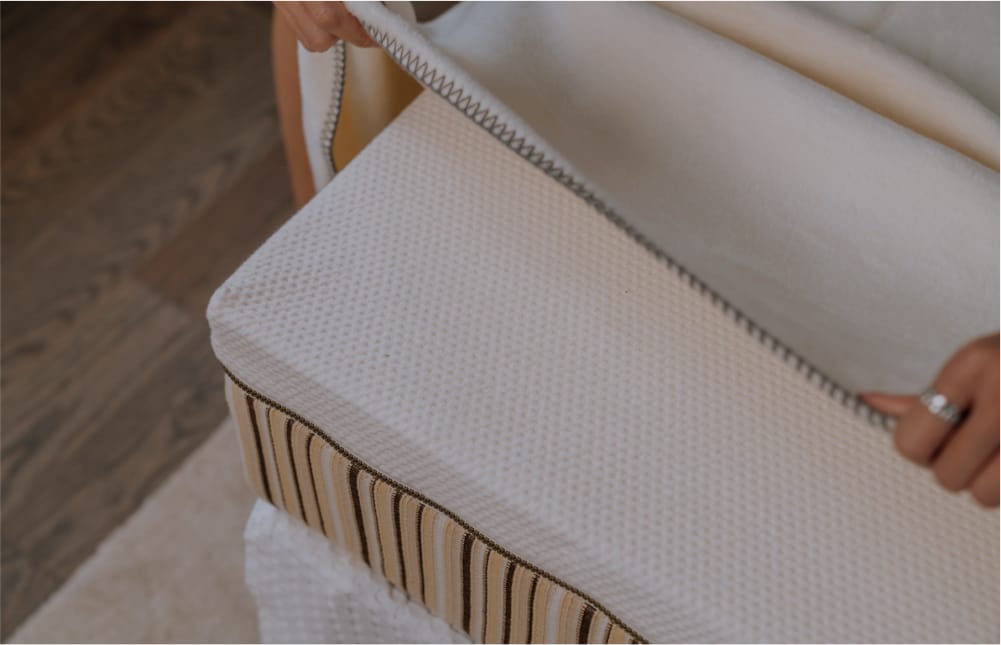
Certified organic latex, tapped from rubber trees. A proprietary formulation using essential oils that lets the foam behave like memory foam — contouring without pressure points, snapping back when you shift — but without the synthetic chemistry. Built-in EMF barriers. No springs, no off-gassing, no compromises.
If you've been blaming your partner for your bad sleep, it might be worth looking at what's underneath you first.
→ Explore Essentia mattresses, built for people who take sleep seriously.
Other Environmental Factors:
- Light Pollution: Exposure to light from phones, televisions, and synthetic lighting before bed suppresses melatonin, a crucial hormone for sleep. A dark room is essential for efficient sleep cycles.
- Temperature: While a cool room is beneficial, the consistent drop in body temperature throughout the night is key for promoting deep and REM sleep. An Essentia mattress facilitates this natural temperature regulation, unlike synthetic mattresses that can trap heat.
- Sound: Minimize disruptive sounds to maintain a peaceful sleep environment.
Essentia's Commitment to Quality Sleep

Essentia is dedicated to providing high-quality organic ingredients and full customization options, offering solutions to meet diverse sleeping needs. Their focus on eliminating stimulants and creating a restorative sleep environment helps extend healthy sleep and recovery. Jack Dell'Accio's journey into mattress innovation was driven by a desire to create a healing tool through sleep, recognizing its vital role in recovery and overall well-being.
Conclusion
Whether you sleep divorce or don't, share a bed or don't the point is the same: stop treating sleep like a sacrifice. It's not indulgent to want eight good hours. It's the foundation of everything else, your focus, your patience, your relationships, your health.
Optimize accordingly.
